Remote work has become a standard part of modern business operations, allowing organizations to build distributed teams and collaborate across different locations and time zones. While this shift offers greater flexibility and access to a broader talent pool, it also introduces challenges related to productivity visibility, communication, workflow coordination and accountability. As businesses continue to adapt to remote and hybrid work environments, understanding how to effectively manage and support distributed teams has become essential for maintaining operational efficiency and achieving business goals.
So, this is why many organizations put money into remote employee monitoring and employee productivity tracking solutions. Yet there is a big practical gap between monitoring for operational clarity and micromanaging, which tends to push stress up, trust down and morale goes with it. When a business puts too much weight on surveillance, it often ends up hurting employee engagement productivity and workplace culture all at once.
The goal of modern remote workforce management should not be this endless constant supervision, you know. Businesses should rather center on making workflow visibility better, coordinating projects, gaining productivity insights and creating operational transparency while still holding onto employee trust and flexibility. If it is put into place the right way, ethical monitoring enables remote teams to function more efficiently, without generating needless pressure.
Why Remote Employee Monitoring Has Become Important?
As remote and hybrid work models keep on growing, businesses need better visibility on how work is moving across distributed teams. In traditional office environments, managers can directly observe workflows and team collaboration, but in remote workplaces it is more indirect, relying heavily on digital communication and project coordination.
Without proper systems in place organizations may struggle with :
- Delayed project updates
- Lack of accountability
- Communication gaps
- Missed deadlines
- Workflow confusion
- Inconsistent reporting
- Reduced productivity visibility
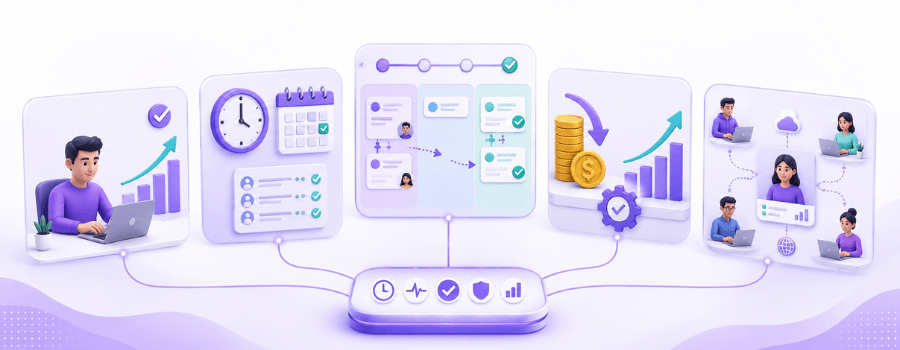
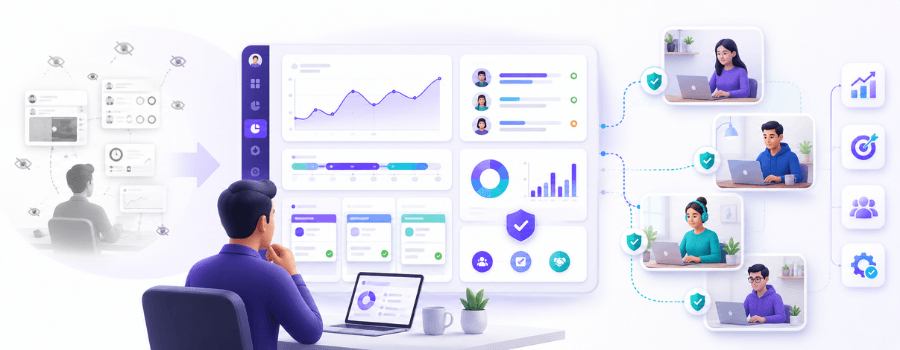
This is where employee monitoring software helps businesses bring a bit more operational clarity in place, not just talk. Modern monitoring solutions give insights into project progress, employee work hours, productivity patterns and workflow activity, without making people do constant meetings or repetitive follow ups.
The purpose of remote employee monitoring software should always be connected to:
- Better workflow management
- Improved planning
- Team coordination
- Productivity visibility
- Operational transparency
Monitoring becomes harmful only when businesses begin focusing excessively on every small activity instead of overall outcomes and productivity trends.
The Problem with Micromanaging Remote Employees
Micromanagement also causes operational inefficiencies. Managers spend way too much time tracking tiny details rather than focusing on strategic planning, project coordination and workflow improvement. It becomes a bit messy, like they are always supervising and that steals attention from bigger, more meaningful actions.
When remote employees feel that every action is being watched constantly, they may:
- Lose confidence in decision-making
- Feel unnecessary pressure
- Become less creative
- Avoid taking initiative
- Experience burnout
- Focus more on appearing active rather than producing meaningful work
Micromanagement also causes operational inefficiencies. Managers spend way too much time tracking tiny details rather than focusing on strategic planning, project coordination and workflow improvement. It becomes a bit messy, like they are always supervising and that steals attention from bigger, more meaningful actions.
Signs Your Remote Team Is Being Micromanaged
Some common signs of micromanagement include:
- Frequent status update requests
- Excessive daily meetings
- Managers constantly checking online status
- Employees feeling pressured to respond instantly
- Lack of trust in employee decision-making
- Over-monitoring screenshots or activity logs
- Focus on hours instead of results
Remote employees perform best when they are trusted, supported and given clear expectations rather than being constantly supervised.
What Employees Actually Need Instead of Micromanagement?
Remote employees do not need constant supervision to keep being productive. What they really need is structure, clarity, communication and trust.
The businesses that manage remote teams well often end up putting emphasis on things like:
- Clear goals
- Defined responsibilities
- Workflow transparency
- Better communication
- Collaborative project management
- Outcome-based performance measurement
Employees are far more likely to stay productive when they understand:
- What is expected of them
- How success is measured
- Which priorities matter most
- How their work contributes to business goals
Healthy employee productivity tracking focuses on operational visibility rather than unnecessary pressure.
How to Monitor Remote Employees Effectively Without Micromanaging?
Set Clear Performance Expectations
One of the best ways to reduce micromanagement is by setting clear expectations from the beginning. Employees should really understand project timelines, who owns what, what has to be delivered and which workflow priorities come first. When those things are made obvious early on, people can move forward without waiting for constant guidance.
When expectations are defined properly:
- Employees become more independent
- Managers spend less time following up
- Teams improve accountability naturally
- Workflow coordination becomes smoother
Clear performance expectations reduce confusion and improve productivity without requiring excessive supervision.
Focus on Productivity, Not Online Presence
One of the more common errors business people make is measuring productivity from online presence, rather than real outcomes. Just because an employee looks active online does not necessarily mean useful work is getting done. People see the status and assume, but it could be a quiet effort or even not happening at all.
Effective employee productivity monitoring should focus on:
- Project completion
- Task quality
- Workflow progress
- Team collaboration
- Operational efficiency
Businesses should avoid over-focusing on:
- Green online indicators
- Constant activity
- Immediate replies
- Minute-by-minute tracking
Outcome-based management creates healthier remote work environments.
Use Employee Monitoring Software Transparently
Transparency is essential when rolling out employee monitoring software. Employees should always know what’s going on and not be surprised later,by any tracking or data collection, because in practice it tends to get messy if the approach is kept in the dark, even for a short while.
- What information is being tracked
- Why tracking is necessary
- How the data will be used
- Who has access to reports
Transparency helps businesses maintain trust while improving operational visibility.
Modern remote employee monitoring tools can provide:
- Time tracking
- Productivity reports
- Workflow visibility
- Attendance tracking
- App usage insights
- Project coordination dashboards
The goal should always be improving workflows rather than creating fear around monitoring.
Automate Time Tracking Instead of Manual Reporting
Manual reporting can bring frustration to employees and managers, the constant asking for updates and the request that people keep filling detailed timesheets throughout the day does break the flow, it reduces efficiency.
Using employee time tracking software helps businesses automate:
- Work-hour tracking
- Attendance visibility
- Productivity reports
- Project time allocation
- Workflow summaries
Automation reduces repetitive reporting tasks and allows employees to focus more on meaningful work.
Track Projects and Workflows Instead of Individuals
Healthy remote workforce management is more about how the work flows and what is actually delivered, than being constantly observing employees, in a way that feels intrusive.
Businesses should prioritize:
- Project visibility
- Task coordination
- Workflow movement
- Deadline tracking
- Resource planning
Tracking projects rather than every small employee action creates a more collaborative and less stressful work environment.
Project-based visibility helps managers understand:
- Which tasks are progressing
- Where bottlenecks exist
- Which projects need support
- How workloads are distributed
This approach improves operational efficiency without creating a culture of surveillance.
Schedule Meaningful Check-ins Instead of Constant Monitoring
Regular communication still matters for distributed teams, but having too many meetings can end up lowering productivity rather than actually helping and that whole feeling shows up more often than people think
Instead of doing endless check-ins organizations should arrange a handful of deliberate touchpoints :
- Weekly project reviews
- Team alignment meetings
- Workflow planning discussions
- Productivity feedback sessions
- Blocker resolution conversations
Meaningful discussions help teams stay connected while reducing unnecessary interruptions.
Managers should avoid:
- Hourly updates
- Repetitive reporting meetings
- Constant status checks
- Excessive messaging
Balanced communication improves team coordination without overwhelming employees.
Give Employees Flexibility and Ownership
Remote employees tend to do better when they are given ownership and a bit of flexibility, trusted like for real. When a business leans heavily on rigid control, they can end up with low engagement and reduced motivation too.
Providing flexibility helps employees:
- Manage workloads effectively
- Improve focus
- Work during productive hours
- Maintain work-life balance
- Increase accountability naturally
Trust-based leadership creates stronger remote work cultures.
When employees feel trusted, they are more likely to:
- Take initiative
- Improve collaboration
- Solve problems independently
- Maintain consistent productivity
Use Productivity Data with Full Context
Productivity data should not be looked at without the operational context, because longer task durations do not automatically mean bad performance or a weak outcome.
Several factors may affect productivity:
- Project complexity
- Meetings and collaboration
- Client approvals
- Workflow dependencies
- Technical issues
- Operational blockers
Businesses should look at productivity trends carefully, not just guess from activity reports. The whole point of employee productivity tracking is to measure actual output and improvements over time, rather than acting on surface level motions, which can be misleading.
The purpose of employee productivity tracking should be: ensure clarity on real performance, spot bottlenecks early and support better decisions.
- Workflow improvement
- Better planning
- Resource balancing
- Operational optimization
Not employee pressure.
Best Tools to Monitor Remote Employees Without Micromanaging
Nowadays businesses use different kinds of tools to make remote workforce visibility better and also keep trust, while still allowing flexibility, which is kinda important for teams.
| Tool Type | Purpose |
|---|---|
| Employee Monitoring Software | Productivity visibility |
| Time Tracking Software | Work-hour tracking |
| Project Management Tools | Workflow coordination |
| Productivity Analytics Platforms | Operational insights |
| Communication Tools | Team collaboration |
Popular solutions often include:
- Time tracking software
- Workflow analytics platforms
- Project management systems
- Employee productivity monitoring tools
- Collaboration software
The right combination depends on business size, workflow structure and operational goals.
Benefits of Ethical Remote Employee Monitoring
When it’s implemented correctly, ethical remote employee monitoring can improve both productivity and employee experience.
Key benefits include:
- Better workflow visibility
- Improved accountability
- Reduced reporting confusion
- Stronger project coordination
- Better workload balancing
- Improved operational planning
- Increased productivity clarity
- Reduced unnecessary meetings
- Better remote collaboration
Ethical monitoring focuses on supporting employees instead of controlling them.
Mistakes Businesses Should Avoid When Monitoring Remote Teams
A lot of organizations end up building toxic work environments without really meaning to, because they go too hard on surveillance practices and then people feel it, even when it’s “for productivity” or something like that, they notice it.
Common mistakes include:
- Monitoring employees without transparency
- Excessive screenshot tracking
- Tracking activity outside work hours
- Measuring productivity only by online status
- Too many meetings and follow-ups
- Using productivity data without context
- Focusing more on surveillance than workflow management
Businesses should remember that trust and accountability work together.
How to Build Trust While Monitoring Remote Employees
Trust is one of the most important components of working well with a remote workforce, honestly.
Businesses can build trust by:
- communicating openly about monitoring policies
- explaining why tracking even happens
- limiting access to employee data
- respecting employee privacy
- focusing on visibility into workflow
- encouraging feedback and insight
- supporting flexibility, plus autonomy
Employees tend to accept monitoring practices more easily when they understand the real business purpose behind them.
When transparency and ethical monitoring are in place, collaboration, productivity and workplace culture improve.
Future of Remote Employee Monitoring in 2026
The future of employee monitoring software is heading toward smarter, privacy focused productivity insights, not aggressive surveillance. In other words it is more about subtle performance signals and less about constant watching, even if the tools still sound a bit stern at first.
Emerging trends include:
- AI-powered workflow analytics
- Productivity trend analysis
- Outcome-based performance tracking
- Privacy-focused monitoring systems
- Smarter project visibility tools
- Hybrid workforce management platforms
Modern businesses are increasingly prioritizing:
- Employee experience
- Workflow optimization
- Productivity clarity
- Ethical monitoring practices
The attention is gradually drifting away from tracking every activity and toward making the day to day run smoother in terms of operational efficiency and working together, more in parallel.
Conclusion
Figuring out how to keep track of remote employees without doing micromanagement, is crucial for creating productive, healthy and sustainable remote work setups.
Companies should use employee monitoring software in a way that strengthens workflow visibility, gives useful productivity insights, supports project coordination and helps operational planning. This is better than building pressure around constant observation.
The remote teams that end up doing the best are usually built on:
- Trust
- Transparency
- Clear communication
- Accountability
- Workflow visibility
- Flexible work environments
When businesses focus on results instead of excessive control, remote employees often end up more productive, more involved and more willing to collaborate. Ethical remote workforce management helps organizations improve output while still maintaining strong workplace culture and genuine employee trust.